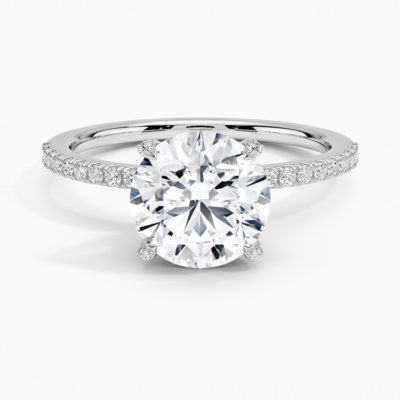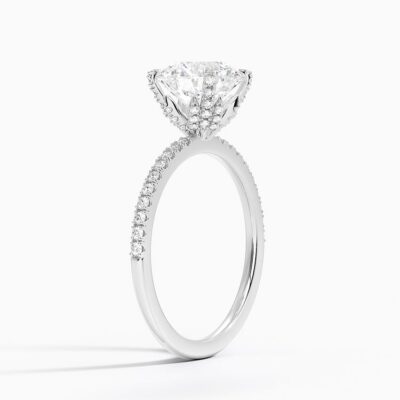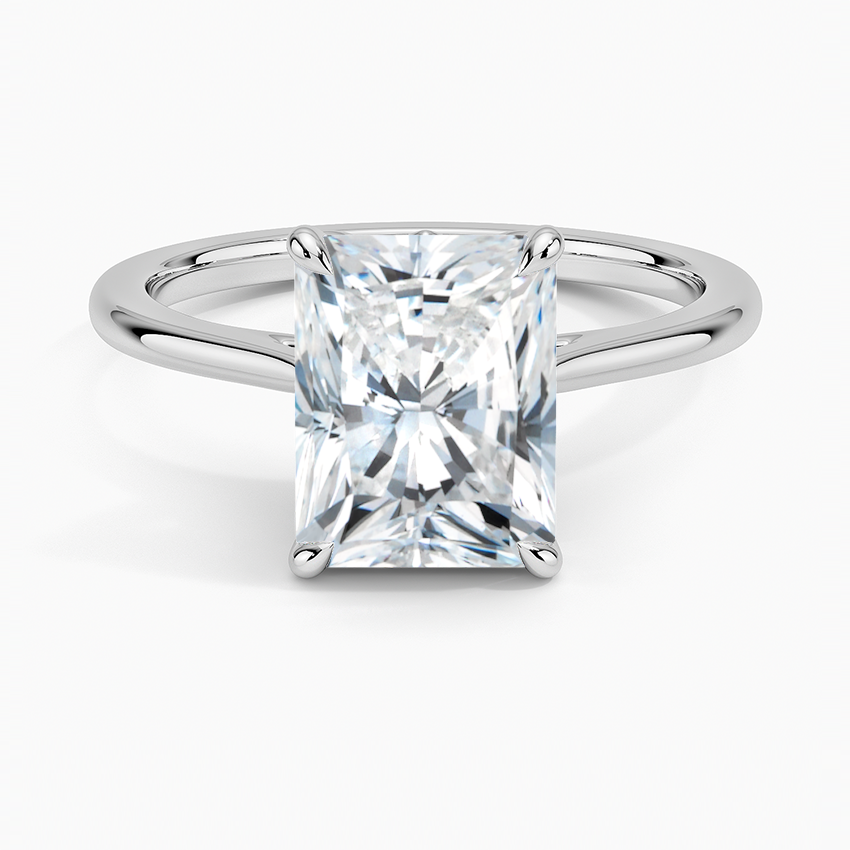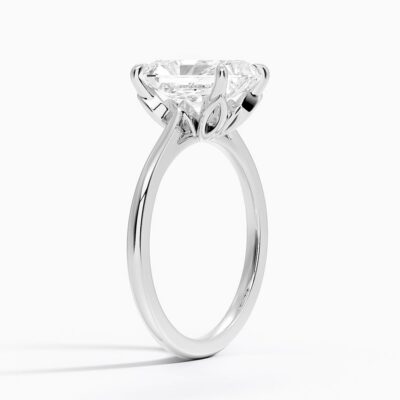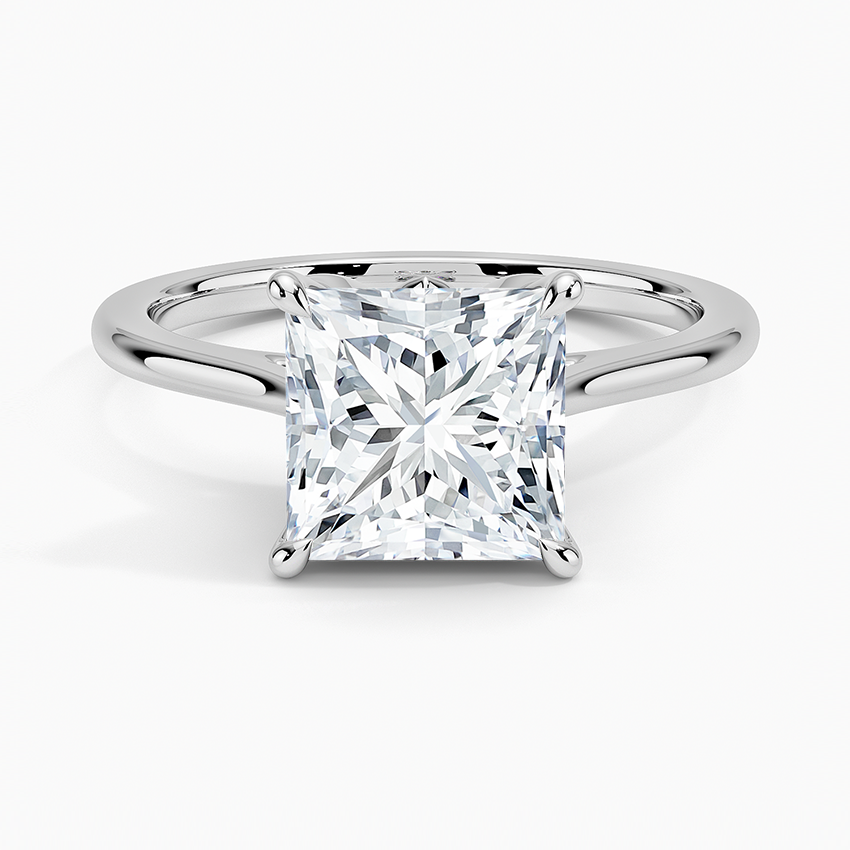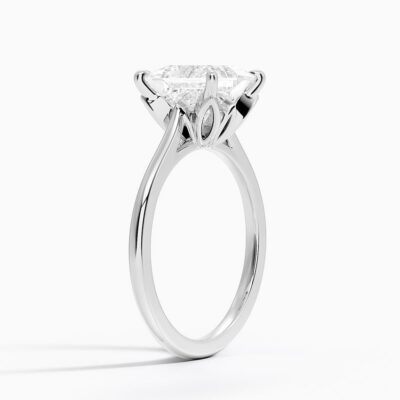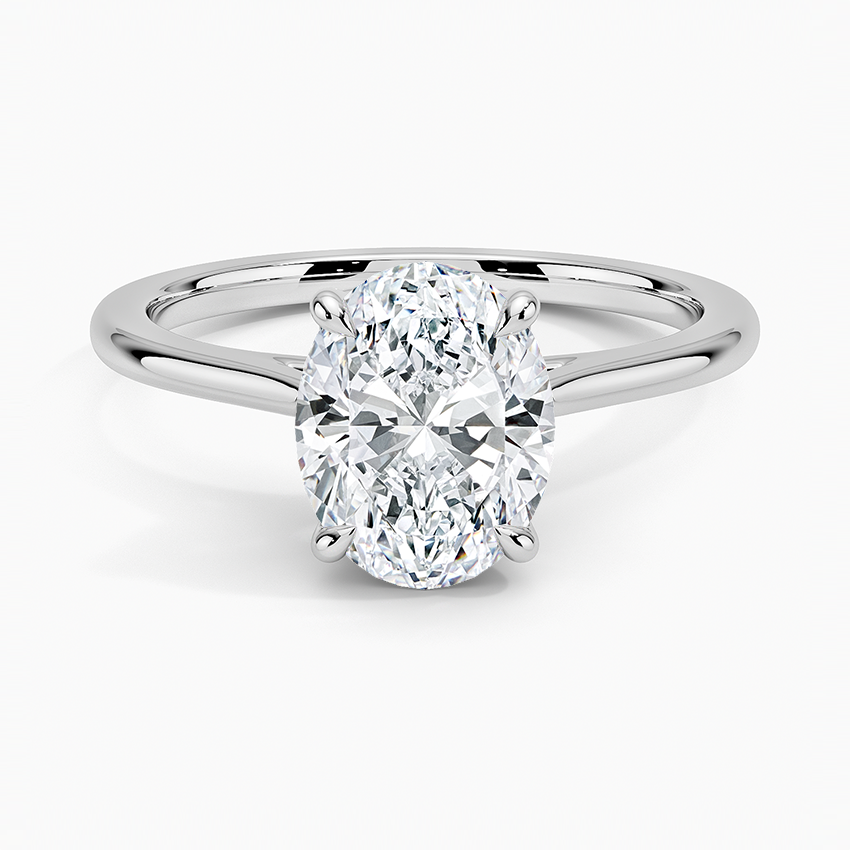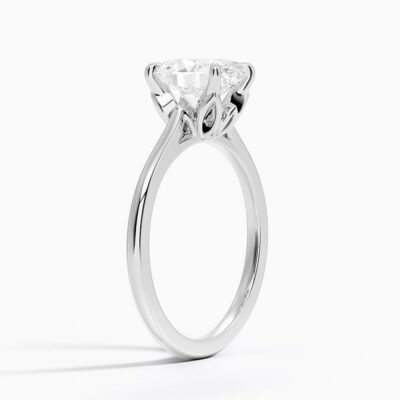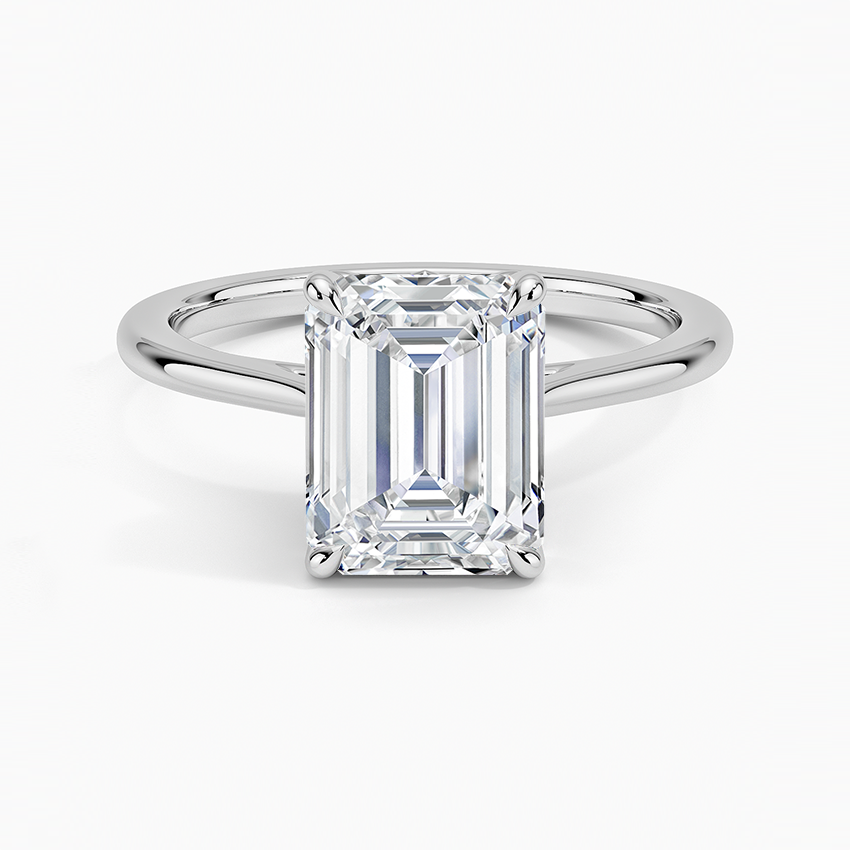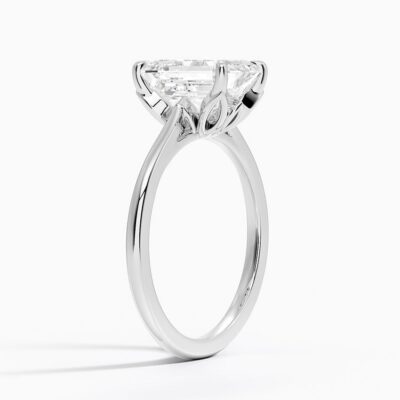

You found a beautiful lab grown diamond. It looks stunning, the size is perfect, and the price is much lower than a similar natural diamond.
Then the question hits you:
Do lab grown diamonds hold their value?
In most cases, lab grown diamonds do not hold their value as well as natural diamonds.
They are real diamonds, but because they can be produced in larger quantities, their resale value is usually much lower than the original purchase price.
That does not mean lab grown diamonds are a bad choice. It simply means they should be purchased for the right reason.
If you want beauty, sparkle, size, and affordability, a lab grown diamond can be a smart choice.
But if your main goal is long-term value, resale potential, or heirloom appeal, a natural diamond will usually be the stronger option.
In this guide, we’ll explain how diamond value works, why lab grown diamonds usually lose value faster, how they compare to natural diamonds, and what buyers should know before making a decision.
Quick Answer: Do Lab Grown Diamonds Hold Their Value?
Lab grown diamonds usually do not hold their value well after purchase.
They are real diamonds with nearly the same chemical, optical, and physical properties as natural diamonds, but their resale market is weaker because they are not naturally rare.
The main reason is supply.
Natural diamonds are formed underground over billions of years.
Lab grown diamonds are created in controlled laboratory environments and can be produced much faster.
As technology improves and more lab grown diamonds enter the market, prices become more competitive.
This makes lab grown diamonds more affordable for buyers, but it also limits their resale value.
A lab grown diamond is best viewed as a beautiful jewelry purchase, not a financial investment.
Understanding How Diamond Value Works
Before deciding whether lab grown diamonds hold their value, it helps to understand what gives any diamond its value in the first place.
A diamond’s price is not based on beauty alone.
It is influenced by rarity, quality, demand, certification, origin, and how the market views that diamond over time.
Rarity
Rarity is one of the biggest reasons natural diamonds tend to hold value better.
Natural diamonds are formed deep within the Earth over billions of years.
Because they come from a limited natural supply, they carry a level of scarcity that supports their long-term desirability.
Lab grown diamonds are different. T
hey are created using advanced technology in laboratory settings.
Since they can be produced repeatedly and in larger quantities, they do not have the same natural scarcity.
That difference matters when it comes to resale.
A buyer may love the look of a lab grown diamond, but the market does not treat it as rare in the same way it treats a natural diamond.
Supply and Demand
Like any product, diamonds are affected by supply and demand.
If demand is strong and supply is limited, prices are more likely to stay stable. If supply grows quickly and buyers have many similar options, prices can fall.
This is one of the main challenges with lab grown diamonds.
Over the past several years, lab grown diamond production has increased significantly. More supply has made lab grown diamonds more affordable, but it has also placed pressure on resale value.
Reuters reported in 2025 that lab grown diamond prices had been falling sharply because of oversupply and increased production, especially from major manufacturing markets such as China and India.
For buyers, this creates a trade-off.
You may pay much less upfront for a lab grown diamond, but you should not expect it to hold value the same way a natural diamond might.
The 4Cs
The 4Cs still matter for both lab grown and natural diamonds.
These include:
- Cut
- Color
- Clarity
- Carat weight
A well-cut diamond with strong clarity, good color, and a desirable carat size will usually cost more than a lower-quality diamond.
This applies whether the diamond is natural or lab grown.
However, the 4Cs are not the only factor.
Two diamonds can have similar grades, but if one is natural and the other is lab grown, the natural diamond will usually have stronger resale demand because of its origin and rarity.
Certification
Certification also plays an important role in buyer confidence.
Diamonds with grading reports from respected organizations such as the Gemological Institute of America or the International Gemological Institute are easier to evaluate and compare.
A certificate does not guarantee resale value, but it does provide important details about the diamond’s quality.
For anyone buying a diamond, certified stones are usually the safer choice.
This is especially important if you ever plan to trade in, upgrade, or resell your diamond.
Market Perception
Market perception is one of the biggest differences between lab grown and natural diamonds.
Lab grown diamonds are real diamonds. They are not fake diamonds, and they are not the same as cubic zirconia or moissanite. The main difference is origin.
Natural diamonds are formed by nature. Lab grown diamonds are created through technology.
Many buyers still place a higher emotional and financial value on natural diamonds because of their rarity, history, and traditional connection to luxury, engagement rings, and heirloom jewelry.
That perception affects resale demand.
Why Lab Grown Diamonds Usually Lose Value Faster
Lab grown diamonds usually lose value faster because they are easier to produce, easier to replace, and available in growing supply.
This does not make them worthless. It simply means the resale market treats them differently.
Lab Grown Diamond Prices Have Dropped
One of the strongest signs of weaker resale value is the drop in lab grown diamond prices.
Industry reporting has shown that lab grown diamond prices have fallen sharply in recent years as production has increased.
Reuters reported in 2025 that wholesale prices for some 1- to 2-carat lab grown diamonds had dropped significantly compared to previous years because of oversupply.
This matters because resale value is connected to replacement cost.
If a brand-new lab grown diamond is available at a lower price today than it was a few years ago, a pre-owned lab grown diamond becomes harder to resell at a strong price.
New Lab Grown Diamonds Are Easy to Replace
Another reason resale value is weaker is replacement cost.
If a jeweler or buyer can purchase a brand-new lab grown diamond at a competitive wholesale price, they have little reason to pay a high amount for a pre-owned one.
With natural diamonds, replacement is not as simple.
Natural diamonds are tied to limited supply, geological origin, and long-term market history.
That does not mean natural diamonds always increase in value.
But it does mean they generally have a stronger resale market than lab grown diamonds.
The Market Is Still Changing
Lab grown diamonds are still relatively new in the mainstream jewelry market compared to natural diamonds.
Some buyers love them because they are modern, beautiful, and more affordable.
Others still prefer natural diamonds because of their rarity, tradition, and emotional value.
Because buyer preferences are still shifting, the resale market for lab grown diamonds is less established. This makes future value harder to predict.
Lab Grown Diamond Price vs Value
It is important to separate price from value.
A lab grown diamond may not hold resale value well, but it can still offer strong personal value.
For example, if a buyer can purchase a larger, brighter, or higher-quality-looking diamond within their budget, that may feel like excellent value.
The diamond may not be a financial investment, but it can still be meaningful, beautiful, and worth the purchase.
This is where many buyers get confused.
A diamond can be valuable to you without being valuable as a resale asset.
If you are buying a diamond to wear and enjoy, lab grown diamonds can make sense.
If you are buying with resale or long-term value in mind, natural diamonds are usually the better choice.
Do Natural Diamonds Hold Value Better?
Natural diamonds usually hold value better than lab grown diamonds because they are rarer, harder to replace, and supported by a stronger resale market.
This does not mean every natural diamond is an investment.
Most diamonds, including natural diamonds, are not guaranteed to increase in value.
Retail markups, market conditions, quality, certification, and buyer demand all affect resale price.
However, natural diamonds generally have stronger long-term value potential because they are tied to scarcity.
A natural diamond cannot be quickly recreated in a lab. It was formed over billions of years, mined from the earth, cut, polished, graded, and set into jewelry.
That natural origin gives it a story and rarity that many buyers still value.
This is especially important for engagement rings, anniversary gifts, heirloom jewelry, and pieces that may be passed down through generations.
For many buyers, natural diamonds are not just about sparkle.
They represent permanence, tradition, and legacy.
Can You Resell a Lab Grown Diamond?
Yes, you can resell a lab grown diamond, but you should expect a lower resale price than what you originally paid.
The resale market for lab grown diamonds is smaller than the resale market for natural diamonds.
Many jewelers, private buyers, and resale platforms may offer less because they can often buy new lab grown diamonds at competitive prices.
You may be able to resell a lab grown diamond through:
- A jeweler who accepts trade-ins
- Online diamond resale platforms
- Private marketplaces
- Consignment jewelry stores
- A store upgrade program, if available
However, resale can be difficult if the diamond is not certified, if the original price was high, or if similar new lab grown diamonds are now available for less.
For this reason, buyers should not purchase a lab grown diamond expecting it to appreciate in value.
In most cases, it will depreciate after purchase.
Are Lab Grown Diamonds a Good Investment?
Lab grown diamonds are usually not a good financial investment.
They can be a smart purchase, but not because they are likely to increase in value.
Their biggest advantage is affordability.
For the same budget, a buyer may be able to choose a larger lab grown diamond, a better color grade, or a higher clarity grade compared to a natural diamond.
That makes lab grown diamonds attractive for engagement rings, fashion jewelry, earrings, pendants, and everyday luxury pieces.
But from an investment perspective, lab grown diamonds are risky because supply can keep growing and prices may continue to become more competitive.
A better way to think about it is this:
Lab grown diamonds are good for beauty, size, and budget.
Natural diamonds are better for rarity, tradition, and long-term value retention.
When Does Buying a Lab Grown Diamond Make Sense?
Buying a lab grown diamond can make sense when your goal is personal enjoyment rather than resale value.
Not every jewelry purchase needs to be an investment.
Sometimes the right choice is the diamond that looks beautiful, fits your budget, and makes you happy.
When You Want a Larger Diamond for Your Budget
Lab grown diamonds often allow buyers to choose a larger carat size at a lower price.
For someone who wants a bold engagement ring or a more noticeable center stone, this can be a major advantage.
When Resale Value Is Not Your Main Concern
If you do not plan to resell the diamond, resale value may not matter as much.
Many people buy jewelry to wear and enjoy, not to sell later. In that case, a lab grown diamond can be a practical and beautiful choice.
When You Want a Modern Diamond Option
Some buyers prefer lab grown diamonds because they like the idea of a diamond created with modern technology.
For these buyers, the appeal is not resale value. It is the look, price, and personal preference.
When You Want Better Specs for Less
Lab grown diamonds can make it easier to choose a higher color grade, better clarity, or larger size without paying the same price as a comparable natural diamond.
This can be helpful for buyers who care most about appearance.
When Should You Choose a Natural Diamond Instead?
A natural diamond may be the better choice if long-term value, rarity, and tradition matter to you.
Natural diamonds are often preferred for meaningful jewelry pieces such as engagement rings, anniversary gifts, and heirloom pieces.
Their natural origin gives them emotional and market value that lab grown diamonds usually do not carry in the same way.
You may want to choose a natural diamond if:
- You care about resale value
- You want a rare natural stone
- You are buying an heirloom piece
- You prefer traditional luxury
- You want stronger long-term desirability
- You see the diamond as part of a family story
Natural diamonds are not guaranteed investments, but they generally have a stronger resale market than lab grown diamonds.
Lab Grown Diamonds vs Natural Diamonds: Value Comparison
Here is a simple comparison to help buyers understand the difference.
| Factor | Lab Grown Diamonds | Natural Diamonds |
| Origin | Created in a lab | Formed naturally underground |
| Rarity | Not rare in the same way | Naturally limited supply |
| Retail Price | Usually much lower | Usually higher |
| Resale Value | Often weak | Usually stronger |
| Investment Potential | Low | Better, but not guaranteed |
| Best For | Budget, size, modern jewelry | Long-term value, heirlooms, rarity |
| Appearance | Looks like a natural diamond | Classic natural origin |
| Buyer Appeal | Affordability and size | Rarity and tradition |
So, Should You Buy a Lab Grown Diamond?
You should buy a lab grown diamond if your main priority is beauty, size, and affordability.
Lab grown diamonds are real diamonds. They sparkle like natural diamonds, come in many shapes and sizes, and can be a great choice for buyers who want more diamond for their budget.
However, if your priority is long-term value, rarity, and resale potential, a natural diamond will usually be the stronger choice.
The right decision depends on what matters most to you.
If you want a diamond to wear, enjoy, and love every day, a lab grown diamond may be a great option. If you want a diamond with stronger long-term value and heirloom appeal, a natural diamond may be worth the higher price.
Frequently Asked Questions About Lab Grown Diamond Value
Do lab grown diamonds have resale value?
Yes, lab grown diamonds can have resale value, but it is usually much lower than the original purchase price. The resale market for lab grown diamonds is smaller than the resale market for natural diamonds, mainly because new lab grown diamonds are widely available and often sold at competitive prices.
Why do lab grown diamonds lose value?
Lab grown diamonds lose value because they can be produced in larger quantities. As production improves and supply increases, prices often become more competitive. Since buyers and jewelers can purchase new lab grown diamonds more easily, pre-owned lab grown diamonds usually have weaker resale demand.
Are lab grown diamonds real diamonds?
Yes, lab grown diamonds are real diamonds. They have nearly the same chemical, physical, and optical properties as natural diamonds. The main difference is origin: natural diamonds are formed underground over billions of years, while lab grown diamonds are created in controlled laboratory environments.
Are lab grown diamonds worth buying?
Lab grown diamonds can be worth buying if your main priorities are beauty, size, and affordability. They allow buyers to get a larger or higher-quality-looking diamond for a lower price compared to many natural diamonds. However, they are usually not the best choice if resale value or long-term investment potential is your main concern.
Do natural diamonds hold value better than lab grown diamonds?
In most cases, yes. Natural diamonds usually hold value better because they are rarer, harder to replace, and supported by a stronger resale market. That does not mean every natural diamond will increase in value, but natural diamonds generally have stronger long-term value potential than lab grown diamonds.
Can you trade in a lab grown diamond?
Some jewelers may accept lab grown diamonds for trade-in or upgrade programs, but policies vary by store. Before buying, it is a good idea to ask whether the jeweler offers trade-ins, upgrades, or buyback options for lab grown diamonds. This can help you understand your options if you decide to change your diamond later.
Will lab grown diamonds increase in value over time?
Lab grown diamonds are not expected to increase in value the same way rare natural diamonds sometimes can. Because lab grown diamonds can be produced continuously, their supply is not naturally limited. For most buyers, they should be purchased for personal enjoyment, not future appreciation.
Is a lab grown diamond better than a natural diamond?
Neither option is automatically better. A lab grown diamond may be better if you want a larger stone, better specs, or a lower price. A natural diamond may be better if you care more about rarity, tradition, resale value, and heirloom appeal. The right choice depends on your budget, priorities, and reason for buying.
Final Thoughts: Do Lab Grown Diamonds Hold Their Value?
Lab grown diamonds do have value, but they usually do not hold value the same way natural diamonds can.
They are real diamonds, they are beautiful, and they can be a practical choice for many buyers. But they should be purchased for personal enjoyment, not as a financial investment.
Natural diamonds, on the other hand, tend to retain value better because they are rarer, harder to replace, and supported by stronger resale demand.
At Zevar Diamonds, our goal is to help you choose a diamond that fits both your budget and your long-term expectations. Whether you are considering a lab grown diamond for its size and affordability or a natural diamond for its rarity and lasting value, our team can help you compare your options with confidence.
The best diamond is not always the most expensive one. It is the one that matches your style, your story, and the reason you are buying it.